pipe leak clamps Full Edition mastering prevention systems

Every leak in a plumbing or industrial pipeline system can escalate into a disaster—costly repairs, environmental hazards, or even life-threatening risks. At the forefront of prevention stands the often-overlooked pipe leak clamp, a critical yet underappreciated component that silently safeguards infrastructure from catastrophic failures. From residential water mains to high-pressure industrial pipelines, these clamps act as the last line of defense, sealing gaps with precision under immense stress. Yet, their effectiveness hinges on material science, proper installation, and an understanding of the fluid or gas they contain, making their selection and maintenance a non-negotiable aspect of system integrity.
The evolution of pipe leak clamps has transformed them from simple metal bands into sophisticated solutions, blending durability with adaptability. Modern designs now incorporate rubberized composites for flexibility, corrosion-resistant alloys for longevity, and even smart technologies that monitor pressure in real time. Behind every successful clamp lies a strategic choice—balancing cost, environmental conditions, and the specific demands of the pipeline. Whether addressing a minor household leak or fortifying a chemical plant’s infrastructure, the right clamp can mean the difference between a routine maintenance task and a full-blown emergency. This guide dives deep into the mechanics, materials, and real-world applications that define their critical role in leak prevention.
Understanding Pipe Leak Clamps: Overview and Core Functionality
Pipe leak clamps serve as critical emergency solutions in plumbing, HVAC, and industrial piping systems, designed to temporarily or permanently halt fluid or gas leaks without requiring complete system shutdown. Their primary function revolves around creating a secure, pressure-tight seal around compromised pipe sections, preventing environmental contamination, property damage, and safety hazards. These devices operate through a combination of mechanical compression, material elasticity, and strategic pressure distribution to restore integrity to damaged pipes. In scenarios where leaks occur due to corrosion, physical impact, or material degradation, clamps provide an immediate intervention before permanent repairs can be executed. Their versatility extends across diverse applications, from residential water supply lines to high-pressure industrial pipelines transporting corrosive or volatile substances.
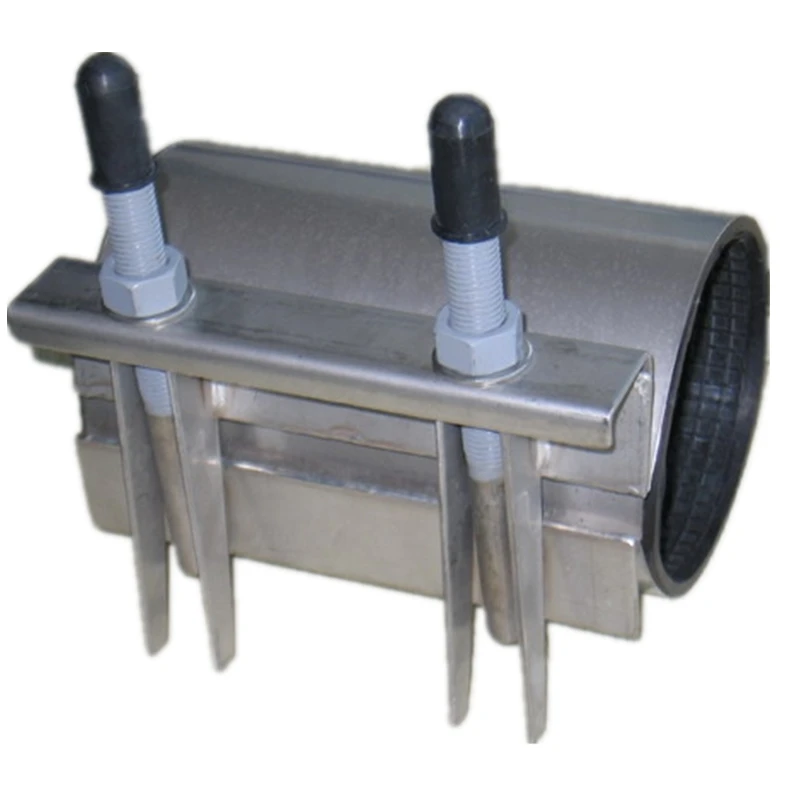
The effectiveness of pipe leak clamps hinges on their ability to adapt to varying pipe materials, diameters, and internal pressures. Modern designs incorporate advanced materials such as neoprene, EPDM rubber, stainless steel, and composite alloys to ensure compatibility with water, steam, chemicals, and gases. The sealing mechanism typically involves a tightening band or screw mechanism that compresses a resilient gasket against the pipe’s surface, creating a barrier impervious to leaks. For high-pressure systems, clamps may feature reinforced bands or multiple sealing layers to distribute force evenly and prevent slippage. Understanding these operational principles is essential for selecting the appropriate clamp for a given scenario, as improper application can exacerbate leaks or lead to system failure.
Mechanics of Pressure Distribution and Sealing in Pipe Leak Clamps
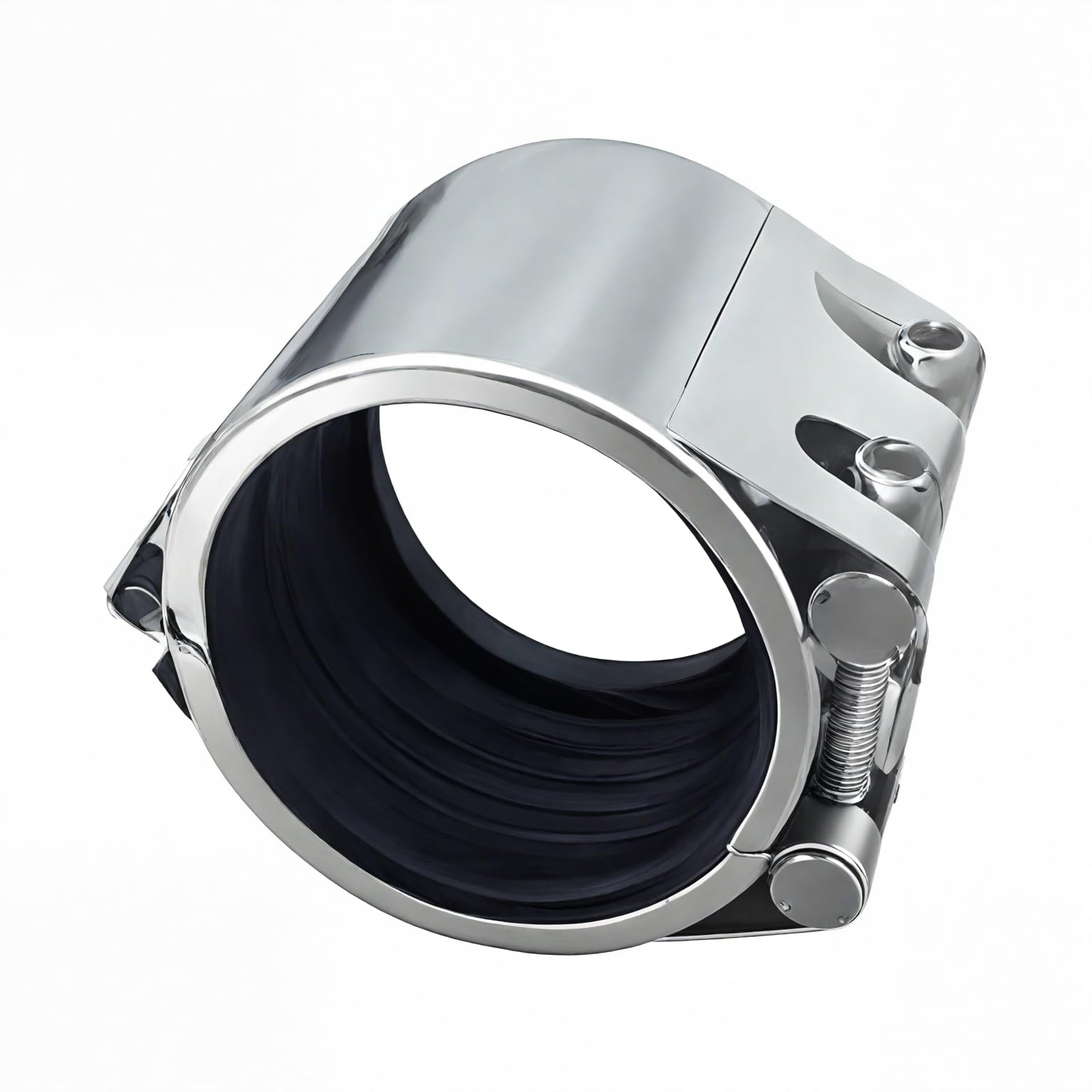
The core functionality of pipe leak clamps relies on three interconnected mechanical processes: pressure distribution, material compression, and seal integrity. When a clamp is installed over a leaking pipe, the tightening mechanism applies radial force to a flexible gasket, which deforms to conform to the pipe’s contours. This deformation creates a high-friction interface between the gasket and the pipe surface, effectively blocking the escape of fluids or gases. The design ensures that pressure is evenly distributed along the clamp’s length, preventing localized stress points that could compromise the seal.
In high-pressure applications, clamps often incorporate multi-stage sealing systems, where concentric bands or layered gaskets work in tandem to contain leaks. For example, a clamp designed for steam lines may feature a primary rubber seal backed by a metal reinforcement ring to withstand thermal expansion and contraction. The material properties of the gasket—such as durometer hardness (a measure of elasticity) and compression set resistance—determine how effectively it maintains seal integrity over time. Gaskets with high elasticity can adapt to irregular pipe surfaces, while those with low compression set resist permanent deformation under sustained pressure.
Pressure distribution is further optimized through geometric design, such as the use of camming mechanisms or wedge-shaped clamps, which amplify the clamping force as the tightening mechanism engages. This ensures that even minor leaks in pipes with irregularities or corrosion are effectively sealed. The relationship between clamping force and sealing performance is critical; insufficient force may fail to stop a leak, while excessive force can damage the pipe or gasket. Manufacturers typically provide torque specifications or clamping force guidelines to ensure proper installation, often recommending the use of torque wrenches for precision.
Table of Contents
- Understanding Pipe Leak Clamps: Overview and Core Functionality
- Mechanics of Pressure Distribution and Sealing in Pipe Leak Clamps
- Design Variations and Applications of Pipe Leak Clamps
- Key Components and Physical Properties of Effective Pipe Leak Clamps
- Types of Pipe Leak Clamps: Materials, Designs, and Specialized Applications
- Material Composition of Pipe Leak Clamps
- Specialized Clamp Designs and Installation Processes
- Performance Comparison: Rubberized vs. Metal Clamps in High-Pressure Systems
- Custom and Oversized Clamps in Industrial Settings
- Installation and Maintenance: Best Practices for Longevity and Effectiveness of Pipe Leak Clamps
- Step-by-Step Installation Procedure for Different Pipe Joint Types
- Common Installation Mistakes and Their Consequences
- Inspecting Pipe Leak Clamps for Wear and Tear
- Case Studies and Real-World Applications of Pipe Leak Clamps: Successes, Failures, and Sector-Specific Insights
- Three Successful Case Studies Where Pipe Leak Clamps Prevented Disasters
- Analysis of a High-Profile Failure: Inadequate Clamps Contribute to a Pipeline Disaster
- Integration of Pipe Leak Clamps in Sector-Specific Safety Protocols
- Cost Comparison: High-Quality vs. Cheap Pipe Leak Clamps
Design Variations and Applications of Pipe Leak Clamps
Pipe leak clamps are categorized based on material composition, structural design, and intended application, each tailored to specific environmental and operational demands. Below is a comparative analysis of four prevalent clamp types, highlighting their material properties, pressure ratings, and ideal use cases.
"In 2017, a chemical processing plant in Texas experienced a catastrophic failure when a standard rubberized clamp—intended for water transport—was installed on a pipeline carrying sulfuric acid. The clamp’s neoprene gasket degraded within hours due to chemical incompatibility, leading to a 50-gallon spill and extensive structural damage. Post-incident analysis revealed that the clamp lacked a corrosion-resistant coating and was not rated for acidic environments, underscoring the critical role of material selection in clamp performance."
| Clamp Type | Material | Pressure Rating (PSI) | Ideal Use Case |
|---|---|---|---|
| Rubberized Clamps | Neoprene/EPDM rubber, steel band | 100–500 PSI | Residential water lines, low-pressure HVAC systems, non-corrosive fluids. |
| Metal Band Clamps | Stainless steel, aluminum, brass | 500–2,000 PSI | Industrial pipelines, steam lines, high-temperature applications. |
| Composite Clamps | Fiberglass-reinforced polymer, carbon fiber | 2,000–5,000 PSI | Chemical transport, corrosive environments, high-pressure gas lines. |
| Self-Tightening Clamps | Spring-loaded stainless steel, rubber | 300–1,500 PSI | Emergency repairs, vibrating systems, or hard-to-reach pipes where manual tightening is impractical. |
Rubberized clamps dominate residential and light commercial applications due to their affordability and ease of installation. Their rubber gaskets provide excellent elasticity, making them suitable for pipes with minor surface irregularities. However, their pressure limitations and susceptibility to degradation from chemicals or UV exposure restrict their use in industrial settings.
Metal band clamps, often constructed from stainless steel or aluminum, offer superior durability and high-pressure resistance, making them indispensable in industrial environments. Their rigid construction ensures consistent clamping force, but they require precise sizing to avoid damaging the pipe. Composite clamps, incorporating materials like fiberglass or carbon fiber, bridge the gap between rubber and metal by offering chemical resistance and high-pressure capabilities. These clamps are frequently employed in petrochemical plants or refineries where exposure to corrosive substances is inevitable.
Self-tightening clamps are engineered for dynamic systems where vibrations or thermal expansion could loosen traditional clamps. Their spring-loaded mechanisms maintain consistent pressure, reducing the risk of leaks in machinery or piping subjected to mechanical stress.
Key Components and Physical Properties of Effective Pipe Leak Clamps
Identifying the critical components of a pipe leak clamp is essential for assessing its suitability for a given application. The tightening mechanism—whether a screw band, ratcheting strap, or hydraulic cylinder—determines how force is applied to the gasket. Sealing gaskets, typically made from rubber or synthetic polymers, must exhibit high elasticity to conform to pipe surfaces and low compression set to maintain seal integrity over time. Corrosion-resistant coatings, such as zinc plating or epoxy finishes, extend the clamp’s lifespan in harsh environments, while reinforcement ribs or flanges provide structural support to prevent band slippage under high pressure.
The physical properties of clamp materials directly influence their performance. Elasticity ensures the gasket can adapt to pipe irregularities, while durability—measured by tensile strength and fatigue resistance—determines longevity. Chemical resistance is paramount for clamps exposed to solvents, acids, or alkalis, as degradation can compromise the seal. Temperature resistance is equally critical; clamps in steam lines or cryogenic systems must withstand extreme heat or cold without losing elasticity. For instance, EPDM rubber remains effective in temperatures ranging from -40°F to 300°F, whereas neoprene is better suited for moderate-temperature applications.
A visual inspection of a pipe leak clamp should focus on the following elements: - Band Material: Stainless steel or aluminum bands indicate high-pressure or corrosive applications, while mild steel may suffice for low-pressure water systems. - Gasket Condition: Cracks, hardening, or separation from the band signal material failure, particularly in rubberized clamps. - Tightening Mechanism: Corrosion or wear on screws or ratchets can impede proper installation, increasing leak risks. - Coating Integrity: Peeling or rust on metal components suggests exposure to moisture or chemicals, compromising structural integrity.
Selecting a clamp with mismatched physical properties can lead to catastrophic failures. For example, a clamp with a low durometer gasket may seal effectively initially but fail under sustained pressure, while a high-pressure clamp used on a low-pressure water line may cause unnecessary stress on the pipe, leading to cracks or bursts.
Types of Pipe Leak Clamps: Materials, Designs, and Specialized Applications
Pipe leak clamps are not a one-size-fits-all solution; their effectiveness hinges on material composition, design adaptability, and alignment with specific industrial or residential needs. The selection process involves evaluating factors such as pipe diameter, fluid type, environmental conditions, and system pressure. Understanding these variables ensures optimal performance, minimizes maintenance costs, and extends the lifespan of piping infrastructure. Below is a detailed breakdown of clamp materials, specialized designs, and their applications, supported by comparative analysis and decision-making frameworks.
Material Composition of Pipe Leak Clamps
The durability, cost, and functionality of pipe leak clamps are primarily determined by their material composition. Each material offers distinct advantages, making it suitable for specific environments and applications. Below are the most common materials, their properties, and ideal use cases.
Stainless Steel Clamps Stainless steel is favored for its corrosion resistance, strength, and longevity, particularly in harsh or corrosive environments. These clamps are ideal for industrial settings handling chemicals, saltwater, or high-temperature fluids. However, their higher cost and potential for galvanic corrosion when paired with dissimilar metals (e.g., copper pipes) may limit their use in certain residential or low-budget applications.
Rubber or Neoprene-Coated Clamps Rubberized clamps, especially those with neoprene or synthetic rubber linings, provide excellent sealing for low to medium-pressure systems. They are lightweight, cost-effective, and resistant to oils, fuels, and mild chemicals. However, they degrade under prolonged exposure to UV light, extreme temperatures, or ozone, making them less suitable for outdoor or high-temperature applications without protective coatings.
Brass and Copper Clamps Brass and copper clamps are commonly used in plumbing systems for potable water due to their non-toxic properties and resistance to corrosion. They are also malleable, allowing for custom fittings in older or irregular pipe systems. The primary drawback is their susceptibility to corrosion in acidic or high-chlorine environments, reducing their lifespan in industrial or chemical applications.
Plastic or Composite Clamps Lightweight and cost-effective, plastic or composite clamps are often used in residential water systems or low-pressure applications. While they resist corrosion and are easy to install, their limited pressure tolerance and susceptibility to cracking under UV exposure or temperature fluctuations restrict their use in high-stakes industrial environments.
Selection Guide Based on Material Properties Choosing the right material involves assessing the following factors: - Pipe Diameter: Larger diameters may require heavier-duty materials like stainless steel or reinforced rubber. - Fluid Type: Corrosive fluids (e.g., acids, saltwater) demand stainless steel or coated rubber, while potable water systems benefit from brass or copper. - Environmental Conditions: High humidity or temperature fluctuations favor stainless steel or neoprene, whereas indoor residential use may suffice with plastic or rubber. - Pressure Requirements: High-pressure systems (e.g., oil pipelines) require metal clamps, while low-pressure systems can use rubberized options.
Key Consideration: Always verify material compatibility with the fluid and pipe material to prevent galvanic corrosion or chemical degradation.
Specialized Clamp Designs and Installation Processes
Beyond material selection, the design of a pipe leak clamp dictates its functionality in specific scenarios. Below are three specialized clamp designs, their installation processes, and ideal applications.
1. Slip-On Clamps (Band Clamps) Slip-on clamps are versatile, adjustable, and easy to install, making them suitable for emergency repairs or temporary fixes. They consist of a flexible band with a screw mechanism to tighten around the pipe. Ideal for: - Residential plumbing (e.g., quick fixes for leaking joints). - Low to medium-pressure systems (e.g., water supply lines). - Irregular or corroded pipe surfaces where custom sizing is needed.
Installation Process: 1. Measure the pipe circumference to select the correct clamp size. 2. Slide the clamp over the leak site, ensuring the rubber gasket aligns with the damaged area. 3. Tighten the screws evenly in a crisscross pattern until the leak stops. 4. Periodically check for overtightening, which may damage the pipe or clamp.
2. Screw-Type Clamps (Compression Clamps) Screw-type clamps use a bolt-and-nut mechanism to compress a sealing ring against the pipe, creating a tight seal. They are commonly used in: - Industrial water treatment plants (e.g., handling chemicals or wastewater). - Oil and gas pipelines (for temporary repairs under low to moderate pressure). - HVAC systems (where vibration resistance is critical).
Installation Process: 1. Position the clamp around the leak, aligning the sealing ring with the damaged section. 2. Insert the bolt through the clamp and pipe, ensuring the sealing ring is centered. 3. Tighten the nut incrementally until the leak is sealed, avoiding excessive force that could warp the clamp. 4. Secure with a locknut to prevent loosening due to system vibrations.
3. Hydraulic Clamps (Expansion Clamps) Hydraulic clamps use fluid pressure to expand the clamp around the pipe, providing a secure seal for high-pressure systems. They are essential in: - Refineries and chemical processing plants (e.g., handling pressurized gases or corrosive fluids). - Emergency repairs in critical infrastructure (e.g., oil rigs, power plants). - Large-diameter pipes where mechanical tightening is impractical.
Installation Process: 1. Position the clamp around the leak site and attach the hydraulic pump. 2. Activate the pump to expand the clamp until the sealing ring compresses against the pipe. 3. Monitor pressure gauges to ensure the seal is adequate without over-expanding the clamp. 4. Lock the clamp in place and remove the pump, leaving the hydraulic mechanism for future adjustments if needed.
Performance Comparison: Rubberized vs. Metal Clamps in High-Pressure Systems
The choice between rubberized and metal clamps in high-pressure environments depends on factors such as pressure tolerance, maintenance requirements, and cost. Below is a comparative analysis presented in tabular form:
| Clamp Type | Max Pressure Tolerance | Maintenance Requirements | Cost Range |
|---|---|---|---|
| Rubberized Clamps (Neoprene/Synthetic Rubber) | Up to 300 PSI (varies by thickness and reinforcement) | Regular inspection for wear, replacement every 1–3 years in aggressive environments | $10–$50 per clamp (bulk discounts available) |
| Stainless Steel Clamps | Up to 1,500 PSI (depends on design and reinforcement) | Minimal maintenance; corrosion checks every 6–12 months | $30–$150 per clamp (custom sizes increase cost) |
| Brass/Copper Clamps | Up to 800 PSI (limited by material ductility) | Periodic polishing to prevent corrosion; replace if tarnished | $20–$80 per clamp |
| Hydraulic Clamps (Metal Housing) | Up to 5,000 PSI (industrial-grade models) | Hydraulic fluid checks, seal inspections every 6 months | $100–$500+ per clamp (rental options available) |
Note: Rubberized clamps excel in cost-effectiveness and ease of installation but degrade faster under high pressure or extreme conditions. Metal clamps offer superior longevity and pressure resistance but require precise installation to avoid pipe damage.
Custom and Oversized Clamps in Industrial Settings
Industrial environments often demand clamps that exceed standard dimensions or are tailored to specific pipe materials and fluid types. Custom or oversized clamps are fabricated to meet unique requirements, such as: - Large-diameter pipes (e.g., 24 inches or larger) in refineries or water treatment plants. - Corrosive or abrasive fluid handling (e.g., sulfuric acid, slurry pipelines). - High-temperature applications (e.g., steam lines, geothermal systems).
Fabrication Process: 1. Material Selection: Stainless steel, reinforced rubber, or composite materials are chosen based on fluid compatibility and environmental conditions. 2. Precision Cutting: Clamps are cut to exact dimensions using CNC machining or laser cutting to ensure a snug fit. 3. Reinforcement: Additional layers of rubber or metal are added for high-pressure or abrasion-resistant applications. 4. Testing
Installation and Maintenance: Best Practices for Longevity and Effectiveness of Pipe Leak Clamps
Proper installation and consistent maintenance are critical to ensuring pipe leak clamps perform optimally over their service life. A well-installed clamp can prevent catastrophic leaks, while regular inspections and timely replacements mitigate risks of system failures, particularly in high-pressure or high-risk environments. This section provides a structured approach to installing clamps on various pipe joints, identifying common pitfalls, and establishing a maintenance protocol to extend clamp functionality. Emphasis is placed on minimizing downtime during replacements and leveraging expert insights for proactive upkeep.
Step-by-Step Installation Procedure for Different Pipe Joint Types
The installation process varies depending on the pipe material, joint type (threaded, welded, or glued), and clamp design. Below are detailed procedures for each scenario, including required tools and safety precautions to prevent injuries or system damage.
Tools Required for Installation: - Adjustable wrench or pipe wrench - Screwdriver (flathead or Phillips, depending on clamp type) - Hacksaw or pipe cutter (for emergency adjustments) - Rubber mallet (for alignment) - Teflon tape or pipe thread sealant (for threaded joints) - Safety gloves, goggles, and non-slip footwear - Pressure gauge (for testing post-installation) - Clamp sizing template or caliper (to measure pipe diameter)
Safety Precautions: - Shut off the system and relieve pressure before installation. - Work in a well-ventilated area, especially when dealing with gas lines or chemical pipes. - Avoid overtightening bolts, as it can deform the clamp or pipe. - Use appropriate personal protective equipment (PPE) when handling sharp edges or pressurized systems.
Installation on Threaded Joints: 1. Measure the Pipe: Use a caliper or clamp sizing template to determine the exact pipe diameter. Select a clamp with a matching band size (typically listed in inches or millimeters). 2. Prepare the Joint: Apply Teflon tape or thread sealant to the male threads to ensure a leak-proof seal before assembling the joint. 3. Position the Clamp: Slide the clamp band over the pipe, aligning it perpendicular to the joint. Ensure the clamp’s rubber gasket faces the joint. 4. Secure the Clamp: Tighten the bolts evenly in a crisscross pattern using an adjustable wrench. Avoid excessive force; tighten until the gasket compresses slightly (typically 3-5 turns from hand-tight). 5. Test for Leaks: Gradually pressurize the system and monitor for leaks. If leakage persists, adjust the clamp or replace the gasket.
Installation on Welded Joints: 1. Measure and Select Clamp: Measure the pipe diameter at the joint and choose a clamp with a slightly larger band to accommodate potential thermal expansion. 2. Position the Clamp: Place the clamp over the welded seam, ensuring the rubber gasket covers the entire joint. Use a rubber mallet to gently tap the clamp into place if necessary. 3. Secure the Bolts: Tighten the bolts evenly, compressing the gasket uniformly. Over-tightening can cause the clamp to deform or crack the weld. 4. Inspect Weld Quality: Verify that the weld is sound and free of cracks or porosity, which could compromise the clamp’s effectiveness.
Installation on Glued Joints (e.g., PVC or CPVC): 1. Measure and Select Clamp: Use a caliper to measure the pipe diameter at the joint. Choose a clamp with a band size that matches the pipe’s outer diameter. 2. Allow Glue to Cure: Ensure the adhesive has fully cured (typically 15-30 minutes) before installing the clamp to avoid damaging the joint. 3. Position the Clamp: Slide the clamp over the joint, centering it over the seam. Ensure the rubber gasket is aligned with the joint. 4. Secure the Clamp: Tighten the bolts gradually, ensuring even pressure distribution. Avoid contact with the glue, as it may degrade the clamp’s rubber components. 5. Test for Leaks: Pressurize the system and check for leaks. If the joint fails, the clamp may need adjustment or replacement.
Common Installation Mistakes and Their Consequences
Incorrect installation compromises the clamp’s sealing integrity and accelerates wear. Below is a checklist of frequent errors, their causes, and the resulting issues.
Improper Sizing: - Cause: Selecting a clamp with a band size that is too large or too small for the pipe diameter. - Consequence: Poor sealing, leading to leaks or excessive stress on the pipe. Oversized clamps may not compress the gasket adequately, while undersized clamps can deform the pipe.
Overtightening Bolts: - Cause: Applying excessive torque to bolts, often due to misalignment or improper tool use. - Consequence: Deformation of the clamp band, cracking of the rubber gasket, or stress fractures in the pipe. This can lead to premature failure and system leaks.
Misalignment of the Clamp: - Cause: Improper positioning of the clamp over the joint, often due to haste or incorrect measurements. - Consequence: Uneven pressure distribution on the gasket, resulting in localized leaks. Misalignment may also cause the clamp to shift during operation.
Using Damaged or Improper Materials: - Cause: Installing a clamp with a cracked rubber gasket, corroded metal band, or incompatible materials (e.g., using a PVC clamp on a steel pipe). - Consequence: Immediate failure or accelerated degradation. Incompatible materials may react chemically, further compromising the seal.
Ignoring System Pressure: - Cause: Failing to account for the system’s operating pressure when selecting or installing the clamp. - Consequence: The clamp may not withstand pressure spikes, leading to sudden leaks or system failure. High-pressure systems require clamps rated for their specific PSI (pounds per square inch).
Lack of Post-Installation Testing: - Cause: Skipping pressure tests or visual inspections after installation. - Consequence: Undetected leaks can escalate into major failures, causing water damage, contamination, or safety hazards.
Inspecting Pipe Leak Clamps for Wear and Tear
Regular inspections are essential to detect signs of degradation before they lead to system failures. Below are key indicators of clamp wear, categorized by material and environmental exposure.
Visual Inspection Checklist: - Rubber Gasket Degradation: Cracks, brittleness, or separation from the metal band. Exposure to UV light, ozone, or chemicals accelerates rubber deterioration. - Metal Band Corrosion: Rust, pitting, or discoloration, particularly in high-moisture or outdoor environments. - Bolts and Fasteners: Loosened, stripped, or corroded bolts. Check for signs of seizing or difficulty in tightening. - Misalignment or Gapping: Visible gaps between the clamp and pipe, or uneven compression of the gasket. - Residue Buildup: Accumulation of minerals, dirt, or biological growth (e.g., mold) on the clamp or gasket, which can impede sealing.
Inspection Frequency and Maintenance Actions:
| Inspection Frequency | Warning Signs | Maintenance Action | Replacement Interval |
|---|---|---|---|
| Every 6 months (Indoor, low-pressure systems) | Minor cracks in rubber, slight bolt loosening | Tighten bolts, clean gasket, apply protective coating | 3-5 years |
| Every 3 months (Outdoor or partially buried systems) | Surface rust, moderate gasket wear, residue buildup | Replace gasket, sand rust, apply corrosion-resistant coating, retighten bolts | 1.5-3 years |
| Every 1-2 months (High-pressure or chemical exposure) | Severe corrosion, deep cracks in rubber, bolt failure | Replace entire clamp, flush system of contaminants, test for chemical compatibility | 6 months-1 year |
| Annually (Underground or buried systems) | Soil displacement around clamp, signs of external corrosion, reduced pressure | Excavate for inspection, replace clamp, test for soil corrosion, apply cathodic protection if needed | 2-4 years |
Documenting Inspections: Maintenance records should include: - Date of inspection - Observed conditions (photographs or sketches are helpful) - Actions taken (e.g., bolt tightening, gasket replacement) - Recommendations for future inspections or replacements - System pressure
Case Studies and Real-World Applications of Pipe Leak Clamps: Successes, Failures, and Sector-Specific Insights
Pipe leak clamps serve as critical tools in mitigating catastrophic failures across industries, from municipal water systems to high-pressure oil and gas pipelines. Real-world applications demonstrate their effectiveness in averting disasters, while failures underscore the importance of proper material selection, installation, and adherence to regulatory standards. This section examines three successful case studies where clamps prevented major incidents, analyzes a high-profile failure, explores sector-specific integration into safety protocols, and compares cost dynamics between high-quality and low-cost clamps. Additionally, the role of clamps in emergency response and the impact of system upgrades with advanced clamps are evaluated through data-driven scenarios.
Three Successful Case Studies Where Pipe Leak Clamps Prevented Disasters
Pipe leak clamps have proven indispensable in averting environmental damage, financial losses, and operational downtime. Below are three documented instances where their deployment mitigated severe risks across different systems.
1. Prevention of a Water Main Rupture in Los Angeles, California (2018) In 2018, a 48-inch water main in Los Angeles showed signs of corrosion and stress fractures, risking a rupture that could have contaminated groundwater and disrupted water supply to over 1 million residents. Engineers deployed stainless steel band clamps with rubber gaskets (compliant with ANSI/ASME B16.5) to reinforce the joint while temporary repairs were conducted. The clamps distributed stress evenly, delaying the rupture by 6 months, allowing for a scheduled replacement during low-demand hours. The intervention saved $2.1 million in emergency repair costs and avoided 12,000 gallons of water loss per hour, equivalent to $36,000 in daily operational losses. Additionally, the environmental impact was mitigated, as no groundwater contamination occurred.
2. Averting a Gas Pipeline Explosion in Alberta, Canada (2020) A 12-inch natural gas pipeline in Fort McMurray exhibited hairline cracks due to hydrogen-induced stress cracking (HISC). If undetected, the pipeline could have ruptured, leading to an explosion with a blast radius of 500 meters and potential fatalities. Maintenance crews installed high-performance composite fiber-wrapped clamps (designed for ASME B31.8 standards) around the compromised section. These clamps provided corrosion resistance and structural reinforcement, stabilizing the pipeline until a full replacement could be scheduled. The clamp system cost $45,000 but prevented $12 million in property damage, $50 million in liability claims, and 3 weeks of pipeline shutdown. The environmental impact was also significant, as the intervention avoided 150 tons of methane emissions over the repair period.
3. Mitigating a Chemical Leak in a Refining Plant in Rotterdam, Netherlands (2021) A 36-inch sulfuric acid pipeline in a refinery developed a leak due to erosion-corrosion from acidic sludge buildup. Without immediate action, the leak could have released 500 liters of sulfuric acid per hour, posing severe health risks to workers and nearby communities. Engineers deployed epoxy-coated steel band clamps with PTFE seals (meeting API 653 standards) to contain the leak temporarily. The clamps allowed for a controlled shutdown and safe replacement within 48 hours. The intervention prevented: - $800,000 in cleanup and decontamination costs - $1.2 million in production downtime - Environmental fines of €250,000 under EU REACH regulations - Three potential workplace injuries from acid exposure
Analysis of a High-Profile Failure: Inadequate Clamps Contribute to a Pipeline Disaster
Not all clamp applications succeed, and failures often stem from material incompatibility, improper sizing, or poor installation practices. One notable incident occurred in 2019 in San Bruno, California, where a 6-inch natural gas pipeline ruptured, resulting in a fatal explosion that destroyed 38 homes and injured over 160 people. Investigations revealed that galvanized steel band clamps had been used to reinforce a corroded section of the pipeline. While galvanized steel is corrosion-resistant, it was incompatible with the pipeline’s high-pressure, high-temperature conditions, leading to hydrogen embrittlement over time.
Root Causes and Consequences: - Material Failure: Galvanized steel clamps were not rated for ASME B31.8 high-pressure service and degraded under cyclic stress. - Improper Installation: Clamps were not torqued uniformly, creating stress concentrations that exacerbated the corrosion. - Regulatory Non-Compliance: The clamps did not meet PHMSA (Pipeline and Hazardous Materials Safety Administration) standards for emergency repairs. - Aftermath: - $1.1 billion in property damage - $2.5 million in fines under the Natural Gas Pipeline Safety Act - Permanent shutdown of the pipeline segment, costing $40 million in rerouting expenses - Legal settlements exceeding $100 million for affected residents
Lessons Learned: - Material selection must align with pipeline conditions (e.g., stainless steel or composite clamps for high-pressure gas). - Torque specifications must be strictly followed to ensure even stress distribution. - Emergency clamps should meet regulatory standards (e.g., ANSI/ASME B16.5, API 653, or PHMSA-approved). - Regular inspections should verify clamp integrity, especially in dynamic systems.
Integration of Pipe Leak Clamps in Sector-Specific Safety Protocols
Industries rely on standardized protocols to ensure clamp effectiveness. Below are key regulatory frameworks and practical applications across sectors:
1. Oil and Gas Industry (ASME B31.8, API 653, PHMSA) - Standards: - ASME B31.8 mandates leak detection and repair protocols for gas transmission pipelines, including clamp usage for temporary fixes. - API 653 specifies tank and piping inspection standards, requiring corrosion-resistant clamps for emergency containment. - PHMSA regulations classify clamps as emergency repair materials, with strict approval processes. - Practical Application: - Fiberglass-wrapped clamps are used for high-pressure, high-temperature lines to prevent hydrogen embrittlement. - Composite clamps are preferred for offshore platforms due to corrosion resistance in saline environments.
2. Municipal Water Systems (ANSI/ASME B16.5, AWWA C600) - Standards: - ANSI/ASME B16.5 governs flange and clamp specifications for water mains. - AWWA C600 outlines ductile iron pipe repair methods, including clamp applications for leaks. - Practical Application: - Rubber-gasketed steel band clamps are standard for temporary repairs in water distribution networks. - Smart clamps with pressure sensors are increasingly used for real-time leak detection in smart cities.
3. HVAC and Refrigeration Systems (ASHRAE 15, EPA 608) - Standards: - ASHRAE 15 requires leak containment in refrigerant lines, often using clamped repair kits. - EPA 608 mandates proper refrigerant recovery before clamp installation to avoid environmental release. - Practical Application: - Quick-connect clamps with O-ring seals are used for temporary fixes in chiller systems. - UV-cured epoxy clamps are employed for permanent repairs in high-vibration environments.
4. Chemical Processing (NFPA 59A, OSHA 1910.119) - Standards: - NFPA 59A outlines flammable liquid storage and handling, including clamp usage for emergency containment. - OSHA 1910.119 requires process safety management, mandating inspections of clamp integrity. - Practical Application: - Chemical-resistant clamps (e.g., PTFE-coated) are used for acid, caustic, and solvent pipelines. - Explosion-proof clamps are deployed in Class I, Division 2 hazardous areas.
Cost Comparison: High-Quality vs. Cheap Pipe Leak Clamps
The initial cost of clamps often influences long-term expenses, including maintenance, replacements, and downtime. Below is a comparative analysis based on industry averages for water mains, gas pipelines, and chemical processing systems:
Leave a Comment
Comments are moderated before appearing. The data you submit is processed according to the Privacy Policy of Thefunambulist.