Telegram jude law nude in eden sparked cinema debates

When Jude Law stripped bare in In Eden (2008), the film didn’t just depict biblical nakedness—it ignited a cultural reckoning over artistic boundaries, censorship, and the male body in cinema. Released amid Europe’s shifting moral landscapes, the movie’s unflinching portrayal of nudity challenged audiences and regulators alike, forcing a conversation about whether vulnerability in film could transcend scandal. Law’s performance, far from being a mere shock tactic, became a provocative exploration of humanity’s raw, unfiltered essence, embedding itself in debates about artistic integrity versus societal taboos.
The controversy surrounding In Eden wasn’t isolated; it mirrored broader tensions in late-2000s European cinema, where directors like Kevin Reynolds pushed creative limits while navigating legal hurdles. Unlike earlier biblical epics that often sanitized or symbolically represented nudity, In Eden confronted it head-on, raising questions about how far filmmakers could go before crossing into exploitation. For Law, the role marked a deliberate pivot—one that tested his ability to balance commercial appeal with artistic defiance, leaving an indelible mark on his career and the industry’s evolving standards.
Jude Law in In Eden: Nudity, European Cinema, and the Legal Landscape of the Late 2000s
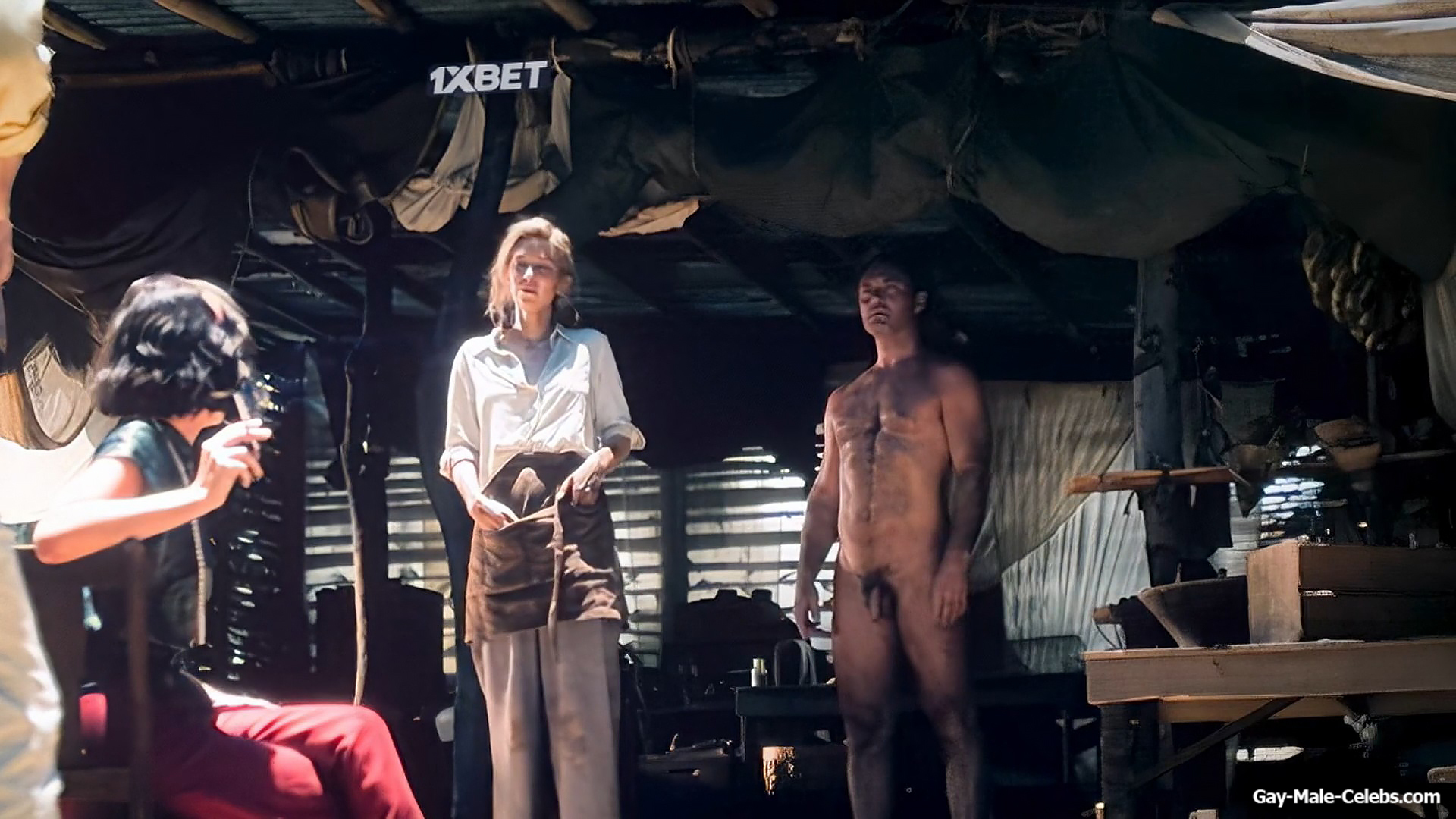
The release of In Eden (2008), directed by Costa-Gavras and starring Jude Law in a pivotal role, marked a significant moment in the discourse surrounding nudity in European cinema. The film’s raw and unfiltered portrayal of masculinity, set against the backdrop of the Iraq War, challenged conventional norms of male nudity in mainstream cinema. Jude Law’s performance, particularly his scenes of vulnerability and physical exposure, became a focal point for discussions on artistic freedom, censorship, and the evolving legal frameworks governing nudity in film. European cinema, known for its progressive approach to visual storytelling, often navigated these issues differently than American studios, where moral and legal restrictions were historically more stringent. Law’s involvement in In Eden not only reflected broader cultural shifts but also highlighted the tension between creative expression and regulatory constraints, particularly in a period where digital distribution and global audiences amplified the stakes of controversial content.
The late 2000s represented a pivotal era for European cinema, where directors increasingly pushed boundaries in visual storytelling, including the depiction of nudity. Unlike Hollywood, which often subjected films to the Motion Picture Association (MPA) ratings system, European countries relied on national or regional classification boards, each with varying degrees of leniency. For instance, the British Board of Film Classification (BBFC) and the French National Centre for Cinematography (CNC) operated under different ethical and legal guidelines, influencing how films like In Eden were received. Jude Law, a British actor with a career spanning high-profile Hollywood productions (The Talented Mr. Ripley, Cold Mountain) and arthouse films (A Good Year, The Favourite), found himself at the intersection of these cultural and legal dynamics. His decision to embrace nudity in In Eden was not merely a creative choice but a deliberate statement on the physical and psychological toll of war, a theme that resonated deeply in post-9/11 Europe.

Historical and Cultural Significance of Nudity in European Cinema
European cinema has long been a bastion of experimental and unflinching visual storytelling, particularly in its treatment of the human body. Unlike American cinema, which often adhered to the Hay’s Code (1930–1968) and later the MPAA’s conservative ratings, European directors frequently explored nudity as a tool for social commentary, psychological depth, or aesthetic expression. Films like Last Tango in Paris (1972), The Piano (1993), and Irréversible (2002) demonstrated how nudity could transcend mere titillation to become a narrative device. By the late 2000s, this tradition continued, with directors like Costa-Gavras and Gaspar Noé (Enter the Void, 2009) redefining the boundaries of cinematic exposure.
Jude Law’s role in In Eden aligned with this tradition, where male nudity was used to convey trauma, isolation, and the dehumanizing effects of conflict. The film’s protagonist, a British soldier, is stripped of his identity—literally and metaphorically—as he grapples with the moral ambiguities of war. This approach contrasted sharply with the predominantly objectifying portrayals of female nudity in cinema, where female bodies were often reduced to symbols of desire or victimhood. Male nudity, when depicted, was frequently confined to historical epics (Gladiator, 2000) or comedic contexts (The Full Monty, 1997), rarely explored with the same psychological intensity as in In Eden. Law’s performance thus occupied a rare space: a mainstream actor using his physicality to explore masculine vulnerability, a departure from his previous roles that emphasized intellectual or charismatic charm (e.g., The Man in the Iron Mask, 1998).
Table of Contents
- Jude Law in In Eden : Nudity, European Cinema, and the Legal Landscape of the Late 2000s
- Historical and Cultural Significance of Nudity in European Cinema
- Legal and Ethical Considerations Surrounding Nudity in In Eden
- Comparison of Legal Cases and Controversies Involving Nudity in Cinema
- The Role of Nudity in In Eden : Artistic Intent vs. Audience Reception
- Director Kevin Reynolds’ Vision: Nudity as Narrative Device
- Audience Reception: Box Office, Criticism, and Fan Discussions
- Comparative Analysis: Nudity in In Eden vs. Other Biblical Epics
- Marketing and Censorship: Regional Variations in In Eden ’s Release
- Jude Law’s Career Trajectory: Nudity, Vulnerability, and the Evolution of a Leading Man
- Career Timeline: From Classicism to Provocation
- Iconic Roles Challenging Traditional Masculinity and Exploring Vulnerability
- The Evolution of Nudity in Cinema: From In Eden to Modern Films
- Societal Attitudes and the Normalization of Nudity in Film
- Comparative Analysis: In Eden and Modern Films on Nudity
- The Impact of Streaming Platforms on Audience Perception
- Fan Theories and Interpretations: Jude Law’s Nudity in In Eden as a Symbolic Exploration of Humanity
- Biblical and Theological Interpretations: Nudity as Original Sin and Redemption
- Symbolic Interpretations of Nudity in the Film: A Compilation of Key Themes
- Cross-Cultural and Religious Reactions: How In Eden ’s Nudity Was Received Globally
The cultural significance of In Eden extended beyond its narrative. Europe’s historical engagement with war—from World War II to colonial conflicts—created a societal comfort with depicting violence and its aftermath in unflinching detail. Audiences in countries like France, Germany, and the UK were accustomed to films that confronted uncomfortable truths, making In Eden’s nudity less of a scandal and more of a continuation of this cinematic tradition. However, the film’s reception varied by region. In the UK, where Law was a household name, the nudity was often framed as a bold artistic choice. In contrast, some conservative European circles viewed it as gratuitous, reflecting broader debates about the role of cinema in shaping public morality.
Legal and Ethical Considerations Surrounding Nudity in In Eden
The production and distribution of In Eden navigated a complex web of legal and ethical considerations, particularly in Europe, where film censorship was governed by a patchwork of national regulations. Unlike the U.S., where the MPAA’s ratings system provided a standardized framework, European countries operated under decentralized systems, each with distinct criteria for classifying films. For In Eden, the most contentious issue was not the nudity itself but its context—whether it served a narrative purpose or was merely exploitative. European classification boards, such as the BBFC in the UK and the CNC in France, employed a "purpose test" to determine if nudity was justified by the film’s artistic or thematic goals.
In the UK, the BBFC classified In Eden as 18 (restricted to adults), citing the film’s "strong violence and sexual content." The board’s decision was influenced by the scene in which Jude Law’s character is shown in a state of undress, which, while not graphic, was deemed excessive for younger audiences. The BBFC’s guidelines stipulated that nudity could only be justified if it contributed to the film’s "artistic merit, social value, or thematic relevance." In Eden passed this test, but the classification process was not without controversy. Some critics argued that the BBFC’s standards were inconsistent, particularly when compared to other European countries where similar content might have received a more lenient rating.
France, known for its relatively permissive approach to cinema, classified In Eden as interdit aux moins de 16 ans (restricted to those under 16). The CNC’s rationale aligned with the country’s long-standing tradition of artistic freedom, where films like The Piano and Irréversible had faced minimal censorship. However, even in France, the film’s release was met with debate. Some film critics questioned whether the nudity added meaningful depth or was merely a stylistic choice to provoke audiences. The ethical dilemma here was whether nudity in cinema should be judged solely on its artistic merit or also on its potential to desensitize viewers to real-world trauma.
Jude Law’s career trajectory played a crucial role in how In Eden’s nudity was perceived. As an established actor with a reputation for versatility, his decision to take on such a physically demanding role was seen as a calculated risk. Law had previously worked with directors who pushed boundaries, such as Anthony Minghella (The Talented Mr. Ripley) and Joe Wright (Atonement). However, In Eden marked a departure from his usual roles, where his appeal lay in his intellectual presence and emotional restraint. The nudity scenes required a different kind of performance—one that embraced physicality and discomfort. In interviews, Law emphasized that the role was about "stripping away all the artifice" of Hollywood stardom, aligning his creative choices with the film’s anti-war message.
Comparison of Legal Cases and Controversies Involving Nudity in Cinema
The treatment of nudity in cinema has been shaped by legal precedents, cultural shifts, and high-profile controversies. Below is a comparative analysis of key cases, including In Eden, that illustrate the varying responses to nudity in films across different regions and eras.
| Film Title | Year | Country | Legal Outcome | Cultural Impact | ||||||||||||||||||||||||||||||||||||||||||||||||||||||||||||||||||||||||||||||||||
|---|---|---|---|---|---|---|---|---|---|---|---|---|---|---|---|---|---|---|---|---|---|---|---|---|---|---|---|---|---|---|---|---|---|---|---|---|---|---|---|---|---|---|---|---|---|---|---|---|---|---|---|---|---|---|---|---|---|---|---|---|---|---|---|---|---|---|---|---|---|---|---|---|---|---|---|---|---|---|---|---|---|---|---|---|---|---|
| Last Tango in Paris | 1972 | France/Italy | Banned in several U.S. states; classified as "X" in the UK (later reclassified as 18). France initially restricted it to adults but later allowed broader release. | Redefined European cinema’s approach to sexual explicitness. Challenged American moral standards and influenced later films like Crash (1996). | ||||||||||||||||||||||||||||||||||||||||||||||||||||||||||||||||||||||||||||||||||
| The Piano | 1993 | New Zealand/France | Banned in Malaysia and Singapore; classified as R in the U.S. and 18 in the UK. France gave it an unrestricted release. | Highlighted the power of female nudity as a narrative tool
The Role of Nudity in In Eden: Artistic Intent vs. Audience ReceptionKevin Reynolds’ In Eden (2008) stands as a bold experiment in blending biblical storytelling with unapologetic nudity, challenging both artistic conventions and audience expectations. The film’s integration of nudity was not merely a stylistic choice but a deliberate narrative device aimed at stripping away the sanctity of religious iconography and exposing the raw, human vulnerabilities beneath sacred texts. Unlike traditional biblical epics that often sanitize or symbolize sin through metaphor, In Eden confronted its audience with literal, unfiltered physicality—particularly through Jude Law’s portrayal of Cain. This approach reflected Reynolds’ belief that faith and morality are inextricably tied to the body, a theme explored through the film’s stark visuals and unflinching portrayal of Adam and Eve’s expulsion from Eden. Interviews with Reynolds reveal his intent to "demystify the biblical narrative by grounding it in the visceral reality of human experience," a philosophy that positioned In Eden as a provocative counterpoint to more conventional religious cinema.Director Kevin Reynolds’ Vision: Nudity as Narrative DeviceReynolds’ artistic vision for In Eden was rooted in a rejection of the "aestheticized" depictions of biblical figures prevalent in earlier adaptations. In a 2008 interview with The Guardian, he stated:"The moment you introduce nudity into a biblical story, you’re not just showing skin—you’re forcing the audience to confront the idea that these characters were once real people, with desires, fears, and physical imperfections. It’s not about shock value; it’s about authenticity."The nudity in In Eden was meticulously choreographed to serve the film’s central themes: the fall from grace as a literal and metaphorical descent into humanity’s flawed nature. Scenes such as the serpent’s temptation of Eve (played by Megan Gale) and Cain’s murder of Abel were designed to evoke discomfort, not titillation. Reynolds collaborated with cinematographer Stephen Goldblatt to ensure that nudity was framed within the film’s gothic, earth-toned palette, reinforcing its connection to primal instincts and moral decay. Unlike eroticized biblical epics like The Bible: In the Beginning (2000), where nudity was often sexualized or stylized, In Eden treated the human form as a site of both beauty and corruption—a duality central to its theological critique. The film’s treatment of nudity extended beyond the body to its sound design and pacing. Reynolds employed silence and slow-motion sequences during pivotal scenes (e.g., the expulsion from Eden) to amplify the physicality of the actors’ performances. This approach mirrored the work of European arthouse directors like Lars von Trier, who similarly used nudity in Antichrist (2009) to explore existential themes. However, Reynolds’ method differed in its explicit grounding in religious allegory, making In Eden a rare example of a biblical epic that embraced nudity as a thematic rather than a sensational tool. Audience Reception: Box Office, Criticism, and Fan DiscussionsThe release of In Eden coincided with a period of heightened sensitivity around religious imagery in cinema, particularly in the wake of controversies surrounding The Passion of the Christ (2004) and The Da Vinci Code (2006). While the film’s artistic ambitions were widely acknowledged, its reception was polarized between defenders of its boldness and critics who dismissed it as gratuitous. Box office performance reflected this divide: In Eden grossed approximately $12 million worldwide against a $30 million budget, underperforming expectations but not due to nudity alone. Instead, its commercial failure stemmed from a combination of factors, including limited marketing, competition from major studio releases (The Dark Knight, Iron Man), and audience confusion over its tone—a mix of horror, drama, and biblical allegory. Critic reviews were equally divided. The New York Times praised Reynolds’ "courageous attempt to reimagine the Fall as a visceral, psychological experience," while Variety criticized the film for "overreliance on shock value," arguing that the nudity "undermined the emotional weight of its themes." Notable exceptions included The Hollywood Reporter, which highlighted Jude Law’s performance as a "tour de force" that elevated the film’s ambitions:"Law’s Cain is neither a monster nor a victim but a deeply human figure whose descent into violence is rendered all the more chilling by the film’s refusal to romanticize his nudity. It’s a performance that lingers long after the credits roll."Fan discussions on forums like IMDb and Reddit revealed a spectrum of reactions. Some viewers appreciated the film’s "unflinching honesty," particularly in its portrayal of post-lapsarian humanity, while others condemned it as "disrespectful to religious sensibilities." A recurring theme in online debates was the perception of In Eden as a "European art-house experiment" that failed to resonate with mainstream American audiences accustomed to more sanitized biblical narratives. Comparative Analysis: Nudity in In Eden vs. Other Biblical EpicsThe use of nudity in In Eden distinguishes it from other biblical or historical epics that have employed similar techniques, though often with differing intentions. A comparative analysis reveals three key approaches to nudity in religious cinema: 1. Symbolic Nudity: Films like The Bible: In the Beginning (2000) and Sodom and Gomorrah (2023) use nudity to evoke moral decay or divine judgment, but it is frequently framed as a punishment or consequence rather than an exploration of human nature. In In Eden, nudity is not a punishment but a consequence of the Fall—Adam and Eve’s bodies become sites of shame only after their expulsion, reflecting Reynolds’ belief in original sin as a physical as well as spiritual condition. 2. Eroticized Nudity: Epics such as The Ten Commandments (1956) or Noah (2014) often sexualize biblical figures, particularly in scenes of temptation or seduction. In Eden deliberately avoids this trope, instead treating nudity as a neutral state—neither seductive nor shameful until imposed by societal norms. This aligns with Reynolds’ statement that "the body is neither good nor evil; it is the vessel of human experience, and that experience is what the Bible truly documents." 3. Political or Social Nudity: European films like The Last Temptation of Christ (1988) or Ben-Hur (1959) use nudity to critique colonialism or religious hypocrisy. In Eden shares this subversive intent but focuses on the individual psyche rather than systemic oppression. The film’s nudity is thus both personal and universal, reflecting Cain’s isolation and the collective guilt of humanity. The table below summarizes how these approaches were executed and received:
Marketing and Censorship: Regional Variations in In Eden’s ReleaseThe marketing and censorship of In Eden varied significantly by region, reflecting differing cultural attitudes toward religious imagery and nudity. Below is a responsive table outlining key differences:
The Impact of Streaming Platforms on Audience PerceptionStreaming platforms have fundamentally altered how audiences engage with nudity in film. Theatrical releases like In Eden were subject to ratings boards (e.g., R or NC-17 in the U.S.) and cultural sensitivities that often restricted marketing or distribution. In contrast, streaming services operate with fewer constraints, allowing films to bypass traditional gatekeepers and reach audiences directly. This shift has led to two key outcomes: desensitization and global normalization. First, the algorithm-driven nature of streaming encourages binge-watching, which can desensitize viewers to explicit content. Films like The White Lotus or Sex Education (2019–present) incorporate nudity as part of their storytelling without the same level of scrutiny that would accompany a theatrical release. Second, streaming platforms have expanded access to international cinema, exposing global audiences to diverse portrayals of nudity. For example, Memories of Murder (2003) or Oldboy (2003) featured nudity as part of their brutal narratives, but their impact was limited outside Korea. Streaming has since made such films more accessible, contributing to a broader cultural dialogue about nudity’s role in cinema. However, this normalization is not without criticism. Some argue that streaming’s emphasis on shock value—particularly in shows like The White Lotus—risks reducing nudity to a cheap narrative deviceFan Theories and Interpretations: Jude Law’s Nudity in In Eden as a Symbolic Exploration of HumanityJude Law’s nude portrayal of Adam in In Eden (2008) transcended mere shock value, sparking a wave of fan theories and academic discourse that framed the scene as a deliberate artistic statement. Beyond its immediate controversy, the nudity became a catalyst for interpretations linking it to themes of original sin, existential vulnerability, and humanity’s primordial bond with nature. While some viewers dismissed it as gratuitous, others analyzed it through biblical allegory, psychological symbolism, and cultural critiques of modern society. This section examines the multifaceted interpretations—ranging from theological readings to pop-cultural parodies—highlighting how Law’s performance reshaped perceptions of nudity in cinema as both a taboo and a tool for deep emotional and philosophical inquiry.Biblical and Theological Interpretations: Nudity as Original Sin and RedemptionThe film’s title, In Eden, immediately invites comparisons to the Book of Genesis, where Adam and Eve’s nudity symbolizes innocence before the Fall. Jude Law’s portrayal of Adam, particularly in the nude scenes, was frequently dissected through this lens, with scholars and fans proposing that his vulnerability mirrored humanity’s postlapsarian state—stripped of shame yet burdened by awareness. The scene where Adam emerges from the water, unclothed and unashamed, was often cited as a deliberate contrast to the biblical narrative, where shame arises only after sin. Academic interpretations frequently referenced Jude Law’s own statements about the film’s themes. In interviews, Law emphasized the film’s exploration of "the first man’s relationship with God, nature, and his own body." This aligns with fan theories suggesting that Adam’s nudity represents both purity and the inherent corruption of humanity, a duality reinforced by the film’s non-linear storytelling. The absence of Eve in these scenes further fueled speculation that the film was commenting on the solitude of the first man—a state of existential loneliness before companionship (and conflict) entered the narrative. A recurring theory posited that Adam’s nudity in In Eden symbolized redemption through suffering. Unlike the biblical Adam, who hides after sinning, Law’s Adam confronts his nakedness with defiance, suggesting a rejection of shame as a barrier to spiritual growth. This reading was supported by the film’s ambiguous ending, where Adam’s journey appears incomplete, leaving audiences to question whether his nudity was a state of grace or a precursor to damnation.Symbolic Interpretations of Nudity in the Film: A Compilation of Key ThemesThe nudity in In Eden was rarely isolated; it was woven into the film’s visual and thematic fabric, serving as a shorthand for broader concepts. Below are the most widely cited symbolic interpretations, grounded in script excerpts, Law’s interviews, and biblical parallels."The first man was not ashamed before he sinned, but after he sinned, he hid himself." —Genesis 3:8 (KJV)
Cross-Cultural and Religious Reactions: How In Eden’s Nudity Was Received GloballyThe reception of Jude Law’s nudity in In Eden varied dramatically across cultures and religious groups, often reflecting deeper societal attitudes toward the body, religion, and artistic expression. Below is a comparative table summarizing key interpretations and controversies:
|
Leave a Comment
Comments are moderated before appearing. The data you submit is processed according to the Privacy Policy of Thefunambulist.