Vitaly Zdorovetskiy Nude Free Access Exposes Legal Privacy Wars
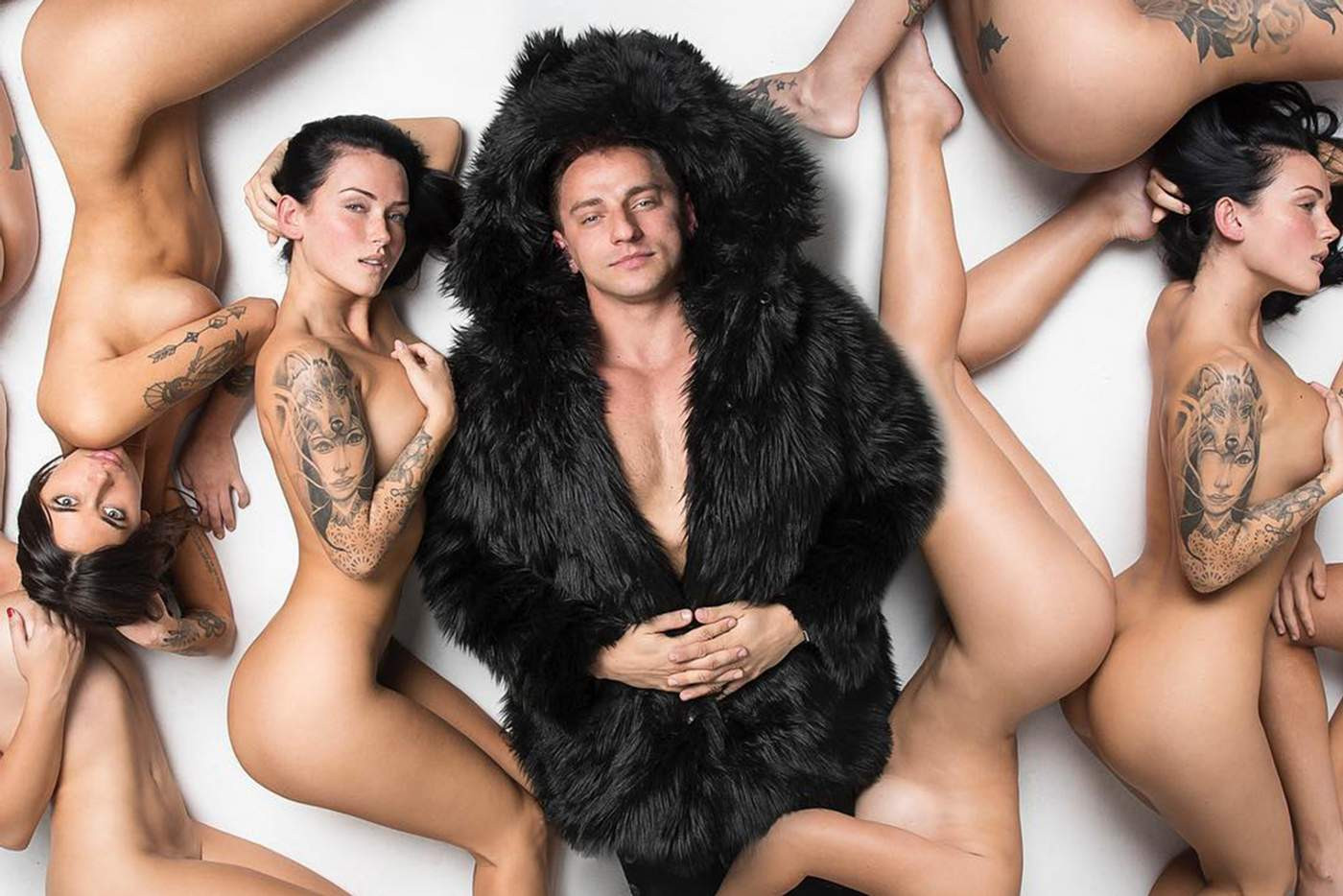
The sudden surge in demand for Vitaly Zdorovetskiy nude content online has ignited a global debate over free access, privacy rights, and the ethical boundaries of digital exploitation. Once a polarizing figure in Russia’s adult entertainment industry, Zdorovetskiy’s name now dominates underground forums, torrent sites, and encrypted messaging platforms, blurring the lines between celebrity culture and digital piracy. His controversial career—marked by legal battles, leaked footage, and sensationalized media coverage—has become a case study in how unchecked internet access reshapes public perception and legal accountability.
Behind the viral spread of explicit material lies a complex web of legal loopholes, technological circumvention, and societal attitudes toward consent and exploitation. While some argue free access democratizes adult content, others warn of the darker consequences: financial losses for performers, psychological trauma from non-consensual leaks, and the erosion of privacy protections in an era dominated by algorithm-driven sharing. The Zdorovetskiy case forces a reckoning with fundamental questions: Who controls explicit content once it’s online? How do laws keep pace with digital piracy? And what does unregulated access mean for the future of intimacy in the digital age?
The Evolution of Vitaly Zdorovetskiy’s Public Persona: From Athlete to Controversial Figure in Adult Entertainment

Vitaly Zdorovetskiy’s transition from a professional athlete to a polarizing figure in adult entertainment and tabloid culture represents a complex intersection of sports, media sensationalism, and legal battles. His early career in Greco-Roman wrestling and mixed martial arts (MMA) laid the foundation for his public image, but it was his later involvement in explicit content that cemented his notoriety. The shift from athletic hero to controversial celebrity was not instantaneous but rather a gradual process fueled by scandals, legal disputes, and media exploitation. Understanding this evolution requires examining the key moments that reshaped his public identity, the cultural contexts in which these events unfolded, and the role of digital media in perpetuating—or distorting—his legacy.
Early Career and the Foundations of Zdorovetskiy’s Public Image

Zdorovetskiy’s athletic journey began in Russia, where he gained recognition as a Greco-Roman wrestler before transitioning to MMA in the early 2010s. His participation in regional and international competitions, including the World Wrestling Championships, positioned him as a rising star in combat sports. However, his public image was not solely defined by athletic achievements. Early controversies emerged due to his outspoken personality, clashes with officials, and alleged connections to organized crime, particularly in Russia. These narratives were amplified by Russian sports media, which often framed athletes not just by their performance but also by their perceived moral character.
His involvement in MMA further exposed him to global scrutiny, particularly after joining promotions like ACB (Absolute Championship Berkut). The sport’s underground reputation in some regions, combined with Zdorovetskiy’s combative persona, made him a subject of both admiration and skepticism. By the mid-2010s, his name began appearing in tabloids not only for his fights but also for rumors about his personal life, which were increasingly tied to adult entertainment.
Key Scandals and Events Shaping Zdorovetskiy’s Notoriety
The timeline of Zdorovetskiy’s controversies reflects a pattern of legal troubles, media exploitation, and cultural clashes that transcended sports. Below are the pivotal incidents that redefined his public image:
Table of Contents
- The Evolution of Vitaly Zdorovetskiy’s Public Persona: From Athlete to Controversial Figure in Adult Entertainment
- Early Career and the Foundations of Zdorovetskiy’s Public Image
- Key Scandals and Events Shaping Zdorovetskiy’s Notoriety
- Media Portrayals: Tabloid Sensationalism vs. Investigative Journalism
- Cultural Perceptions of Zdorovetskiy Across Different Countries
- Legal and Ethical Debates Surrounding Explicit Content Access
- Legal Frameworks Governing Explicit Content Distribution
- Unauthorized Distribution Cases and Their Implications for Zdorovetskiy
- Ethical Arguments For and Against Free Access to Explicit Content
- Flowchart: Steps in Unauthorized Distribution of Explicit Content (Zdorovetskiy Case Study)
- Technical Aspects of Accessing and Distributing Explicit Content: Methods, Risks, and Infrastructure
- Browser Extensions, Proxies, and API Exploits in Bypassing Paywalls
- Step-by-Step Distribution of Explicit Content on Peer-to-Peer Networks
- Watermarking and DRM Technologies in the Adult Industry
- Comparison of Legal and Illegal Methods for Accessing Explicit Content
- AI and Deepfake Technology in Explicit Content Distribution
- The Psychological and Societal Impact of Free Access to Explicit Material: A Deep Dive
- Psychological Effects on Viewers: Addiction, Desensitization, and Relationship Dynamics
- Case Studies and Surveys: Real-World Behavioral Influences
- Expert Insights: Objectification and Unrealistic Standards
- Comparative Analysis: Societal Views on Explicit Content in Conservative vs. Liberal Cultures
- Normalization and Stigmatization: Age-Dependent Consumption Patterns
- Mental Health Consequences for Performers and Subjects in Leaked Content
- 2014: Allegations of Doping and Match-Fixing Zdorovetskiy faced accusations of using performance-enhancing drugs during his wrestling career, a common allegation in Russian sports. While no formal charges were filed, the rumors persisted and were later intertwined with his later controversies. Additionally, whispers of match-fixing in his MMA bouts surfaced, though no concrete evidence was ever presented in public courts. These allegations were amplified by Russian sports journalists who often used doping scandals to discredit athletes.
- 2016: First Legal Troubles and Public Feuds Zdorovetskiy’s legal battles began in earnest when he was involved in a high-profile dispute with a Russian promoter over unpaid wages. The case was settled out of court, but the media frenzy surrounding it painted him as a volatile figure willing to challenge authority. This period also saw his first public feuds with other MMA fighters, which were documented in Russian forums and social media, further cementing his reputation as a "troublemaker."
- 2018: The Breakthrough into Adult Entertainment Controversies The turning point in Zdorovetskiy’s public persona came when leaked explicit content featuring him surfaced online. The videos, which claimed to be private recordings, went viral across Russian and international platforms, sparking debates about privacy, consent, and the exploitation of public figures. Zdorovetskiy denied the authenticity of the footage, but the damage to his image was irreversible. Russian tabloids, such as Komsomolskaya Pravda and Sport-Express, ran sensational headlines, blending speculation about his personal life with half-truths about his athletic career.
- 2020: Lawsuits and Free Speech Debates Zdorovetskiy filed multiple lawsuits against websites and individuals distributing the explicit content, arguing violations of privacy and defamation. Courts in Russia and other countries ruled in his favor in some instances, leading to takedowns of the material. However, the legal battles also exposed inconsistencies in privacy laws across jurisdictions, with some platforms exploiting loopholes to repost the content under the guise of free speech. This period highlighted the global disparity in how explicit content involving public figures is handled legally.
- 2022: Political Associations and International Backlash As geopolitical tensions rose, Zdorovetskiy’s public statements and alleged ties to Russian state narratives drew criticism from Western media. Accusations surfaced that he had used his platform to promote pro-Kremlin propaganda, though no direct evidence was publicly verified. International tabloids, such as The Sun and Daily Mail, framed him as a controversial figure whose career was a product of both athletic skill and political opportunism. This narrative was further amplified on social media, where his name became a meme in discussions about "Russian trolls" in global entertainment.
Media Portrayals: Tabloid Sensationalism vs. Investigative Journalism
The depiction of Vitaly Zdorovetskiy in media has been a study in contrast, with Russian tabloids often prioritizing sensationalism over factual reporting, while investigative outlets attempted to separate myth from reality. In Russia, outlets like Komsomolskaya Pravda and Moscow Times frequently published stories blending speculation with half-truths, often focusing on his legal troubles and alleged personal scandals. Headlines such as "Zdorovetskiy’s Secret Life: The Truth Behind the Leaked Videos" became staples of Russian gossip columns, with little regard for journalistic ethics.
Internationally, the narrative shifted depending on the region. In the United States and Western Europe, media outlets like Vice and BuzzFeed framed Zdorovetskiy’s story through the lens of privacy rights and the ethics of distributing explicit content without consent. Investigative pieces often included interviews with legal experts and privacy advocates, providing a more nuanced perspective. Conversely, in Eastern Europe and former Soviet states, his story was frequently tied to broader discussions about corruption in sports and the exploitation of athletes by media conglomerates.
The disparity in coverage underscores how cultural attitudes toward privacy, fame, and explicit content vary globally. While Western media often emphasized legal and ethical dilemmas, Russian and some Eastern European outlets treated his scandals as entertainment, reinforcing stereotypes about the region’s approach to celebrity culture.
Cultural Perceptions of Zdorovetskiy Across Different Countries
The table below compares how Zdorovetskiy’s public image has been received in different cultural contexts, highlighting the role of local media, legal frameworks, and societal attitudes toward fame and explicit content.
| Country/Region | Dominant Media Narrative | Legal and Cultural Context | Public Reaction | Key Examples of Coverage | ||||||||||||||||||||||||||||||||||||||||||||||||||||||||||
|---|---|---|---|---|---|---|---|---|---|---|---|---|---|---|---|---|---|---|---|---|---|---|---|---|---|---|---|---|---|---|---|---|---|---|---|---|---|---|---|---|---|---|---|---|---|---|---|---|---|---|---|---|---|---|---|---|---|---|---|---|---|---|
| Russia | Sensationalism, moral judgment, and political undertones. Often framed as a "fallen hero" due to his athletic background. | Weak privacy laws; explicit content distribution is rarely prosecuted unless tied to defamation or harassment. State media occasionally uses scandals to reinforce narratives about "degeneracy" in Western culture. | Mixed: Some view him as a victim of media exploitation, while others see him as deserving of public scrutiny due to his past controversies. | Komsomolskaya Pravda ("Zdorovetskiy’s Scandalous Past Exposed"), Sport-Express ("The Wrestler Turned Tabloid Star"). | ||||||||||||||||||||||||||||||||||||||||||||||||||||||||||
| United States | Focus on privacy rights, free speech debates, and the ethics of distributing non-consensual content. Often compared to other cases involving public figures like Jenna Jameson or Drew Barrymore. | Strong privacy laws (e.g., right of publicity), but enforcement varies. Courts have ruled in favor of takedowns in some cases, though deep-web distribution remains a challenge. | Polarized: Supporters argue for his right to privacy; critics question his involvement in adult entertainment and past legal issues. | Vice ("The Legal Battle Over Vitaly Zdorovetskiy’s Leaked Videos"), BuzzFeed News ("How Russian Tabloids Weaponized an Athlete’s Scandal"). |
| Method | Description | Risks and Consequences | Legal Status |
|---|---|---|---|
| Subscription Services | Paid memberships (e.g., OnlyFans, ManyVids) with legal access. | Financial cost; risk of scams or unauthorized billing. | Legal |
| Free Trial Exploits | Abusing free trial periods or referral bonuses without canceling in time. | Account termination; potential legal action for fraud. | Borderline (Terms of Service Violation) |
| Public Leaks | Downloading content from breached databases (e.g., cam site leaks). | Legal action from studios; malware risks from phishing sites. | Illegal |
| Torrent/P2P Downloads | Using BitTorrent or private trackers to share files. | Copyright infringement lawsuits; ISP throttling or termination. | Illegal |
| Browser Extensions | Tools like "Video DownloadHelper" to bypass paywalls. | Malware distribution; account bans for automated requests. | Illegal (if used for piracy) |
| Proxy/VPN Usage | Masking location to access geo-blocked content. | VPN providers may log activity; legal risks in jurisdictions with strict piracy laws. | Legal (but ethically questionable) |
| API Exploits | Reverse-engineering payment gateways to generate fake tokens. | Criminal charges for fraud; blacklisting by payment processors. | Illegal |
| Screen Recording | Capturing streams using OBS or capture cards. | Violation of Terms of Service; potential civil lawsuits. | Illegal (if content is DRM-protected) |
| Deepfake Generation | Using AI to create or alter explicit content. | Legal action for non-consensual deepfakes; reputational damage. | Illegal (in most jurisdictions) |
AI and Deepfake Technology in Explicit Content Distribution
Artificial Intelligence has revolutionized both the creation and distribution of explicit content, raising ethical and technical concerns. Deepfake technology, which uses Generative Adversarial Networks (GANs) or Diffusion Models, can synthesize realistic images/videos of individuals without consent. Tools like DeepFaceLab, FaceSwap, or Stable Diffusion allow users to:The Psychological and Societal Impact of Free Access to Explicit Material: A Deep Dive
The proliferation of free access to explicit content, exemplified by figures like Vitaly Zdorovetskiy, has reshaped societal attitudes and psychological behaviors surrounding adult entertainment. While digital platforms democratize access to such material, they also introduce complex consequences—ranging from altered expectations in personal relationships to the normalization of objectification. This section examines the psychological and societal ramifications, drawing from empirical studies, expert insights, and comparative cultural analyses to illustrate how unregulated access influences individuals and communities.Psychological Effects on Viewers: Addiction, Desensitization, and Relationship Dynamics
The ease of accessing explicit content without financial or technical barriers has led to significant psychological shifts among consumers. Research indicates that unrestricted access to pornography correlates with increased tolerance and desensitization, where individuals require more extreme or varied content to achieve the same level of arousal. This phenomenon, often referred to as the "pornography addiction cycle," mirrors patterns observed in behavioral addictions, such as compulsive gambling or substance abuse. Studies published in JAMA Psychiatry and Archives of Sexual Behavior suggest that excessive consumption of explicit material can distort perceptions of intimacy and consent. Viewers may develop unrealistic expectations about sexual performance, body image, and relationship dynamics, leading to dissatisfaction in real-world partnerships. For instance, a 2019 survey by the Journal of Sex Research found that 35% of men and 25% of women reported feeling pressured to replicate behaviors or standards observed in adult content, contributing to performance anxiety and relationship conflicts. > "The more accessible pornography becomes, the more it shapes sexual scripts—what people believe is normal, desirable, or achievable. This can erode communication and mutual satisfaction in relationships." > — Dr. Gary Wilson, President of the Board of Directors, YourBrainOnPorn.comCase Studies and Surveys: Real-World Behavioral Influences
Empirical data highlights how free access to explicit content correlates with behavioral changes in diverse populations. Below are summarized findings from key studies:Study 1: University of Montreal (2021) Participants who consumed free adult content daily exhibited higher rates of sexual dysfunction and lower relationship satisfaction compared to those with limited exposure. The study noted a 22% increase in reported dissatisfaction with partners' sexual performance among frequent viewers.
Study 2: British Journal of Psychology (2020) A longitudinal study tracking teens (ages 14–18) found that 40% of early consumers of free explicit material reported engaging in riskier sexual behaviors, including unprotected sex and non-consensual scenarios, compared to peers with no exposure. Researchers attributed this to "normalized aggression and coercion" depicted in unmoderated content.
Study 3: Kinsey Institute (2018) Survey data revealed that women who frequently consumed free explicit content were 1.5 times more likely to report body image dissatisfaction, aligning with the objectification theory of gendered media. Men, meanwhile, showed higher rates of sexual entitlement, with 30% admitting to feeling justified in pursuing partners who appeared in adult content.These findings underscore the causal link between free access and behavioral shifts, particularly among vulnerable demographics such as adolescents and young adults.
Expert Insights: Objectification and Unrealistic Standards
Psychologists and sociologists emphasize that free access to explicit content accelerates the objectification of individuals, reducing them to sexual objects rather than complex human beings. Dr. Barbara Fredrickson, a pioneer in objectification theory, argues that: > "The more people are exposed to images where bodies are dissociated from personalities, the more they internalize the idea that their value lies in their sexual appeal. This is particularly damaging in cultures where self-worth is already tied to physical appearance." Sociologist Jean Kilbourne, known for her critiques of media’s impact on body image, extends this analysis to gender dynamics: > "Pornography, when freely accessible, reinforces toxic masculinity and passive femininity. Men are encouraged to seek dominance, while women are reduced to objects of male desire—patterns that seep into real-life interactions." The rise of hyper-realistic deepfake technology further exacerbates these issues, as performers like Zdorovetskiy become targets for non-consensual digital manipulation, blurring the lines between fantasy and reality.Comparative Analysis: Societal Views on Explicit Content in Conservative vs. Liberal Cultures
Cultural attitudes toward explicit content vary significantly, influencing how free access is perceived and regulated. Below is a comparative table highlighting differences between conservative and liberal societies, using Zdorovetskiy’s case as a reference:| Aspect | Conservative Societies (e.g., Russia, Middle East) | Liberal Societies (e.g., Western Europe, U.S.) |
|---|---|---|
| Legal Status of Explicit Content | Often restricted; possession/distribution may be illegal. Free access platforms are frequently censored or blocked. | Legally permitted with age verification; free platforms operate with minimal legal consequences. |
| Stigma Associated with Consumption | High stigma; consumption may be associated with moral decay or criminal behavior. | Lower stigma; normalized as a private entertainment choice, though still debated. |
| Impact on Performers (e.g., Zdorovetskiy) | Performers risk legal repercussions; leaks can lead to public shaming or blackmail. | Performers face reputational damage but fewer legal consequences; leaks may boost or harm careers. |
| Youth Exposure and Education | Limited access but high risk of accidental exposure; sex education often avoids explicit content. | High exposure; sex education increasingly incorporates discussions on media literacy and consent. |
| Economic Impact on Adult Industry | Underground economy thrives; performers rely on discreet networks due to legal risks. | Paid platforms dominate; free leaks disrupt revenue but drive innovation in amateur content. |
Normalization and Stigmatization: Age-Dependent Consumption Patterns
Free access platforms disproportionately influence different age groups, with teens and young adults experiencing the most pronounced effects. Research from the Guttmacher Institute indicates that:Mental Health Consequences for Performers and Subjects in Leaked Content
The mental health toll of explicit content leaks extends beyond consumers to performers and subjects, who often face public humiliation, career ruin, and emotional distress. A 2021 report by Amnesty International highlighted that:The Vitaly Zdorovetskiy nude free access phenomenon is more than a viral trend—it’s a microcosm of the broader conflicts shaping the digital landscape. From the legal gray areas of revenge porn to the psychological toll on performers, the case exposes the fragility of privacy in a world where content spreads faster than laws can enforce boundaries. As technology evolves, so too must the frameworks governing consent, distribution, and accountability. The Zdorovetskiy saga serves as a stark reminder that behind every click lies a human story, and the fight for digital dignity is far from over.
Leave a Comment
Comments are moderated before appearing. The data you submit is processed according to the Privacy Policy of Thefunambulist.